Syria's Christian Heritage
Communities & Traditions
An overview of the ancient traditions, denominations, and ethnic communities that together form the rich and diverse tapestry of Syrian Christianity.
An overview of the ancient traditions, denominations, and ethnic communities that together form the rich and diverse tapestry of Syrian Christianity.
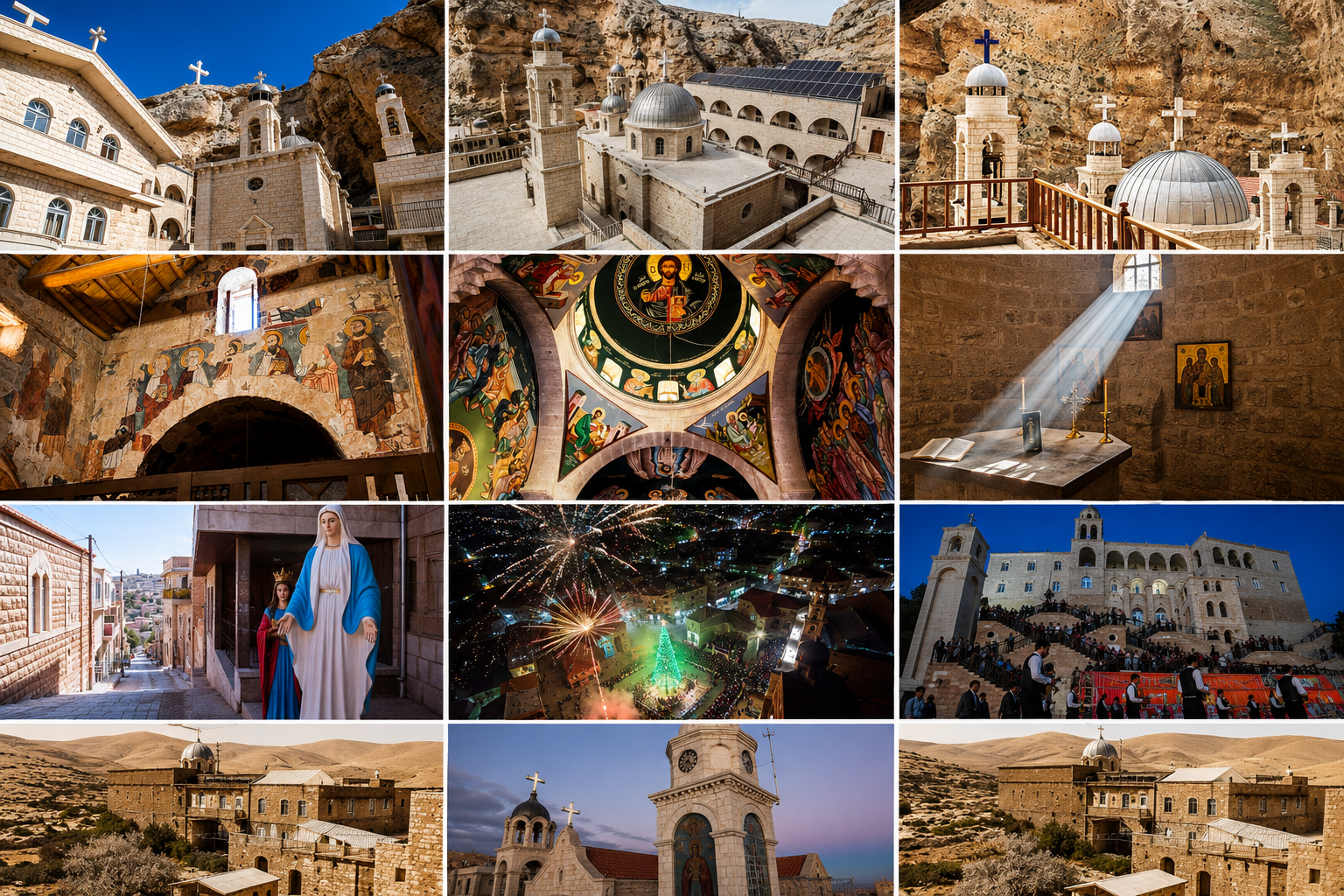
Christianity in Syria is among the oldest Christian presences in the world, rooted in the earliest apostolic communities of Antioch, the city where the followers of Jesus were first called Christians. Today, Syria's Christians encompass a rich diversity of liturgical traditions, historical and cultural identities, and ecclesiastical histories, united by a shared homeland and a shared commitment to Syria's future.
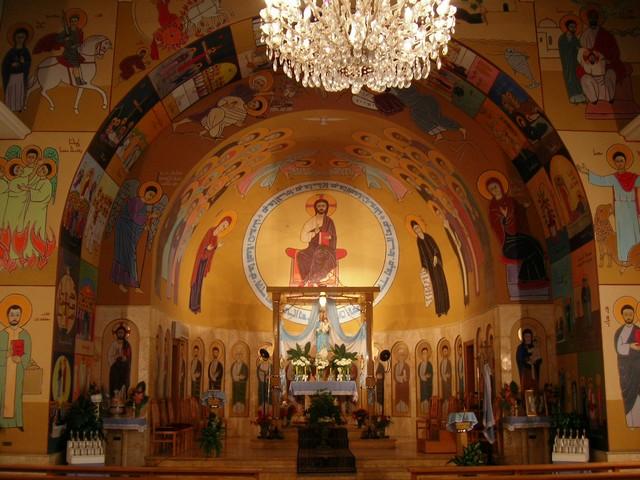
The Rum Byzantine tradition is rooted in the Apostolic Patriarchate of Antioch and carries the rich theological and liturgical heritage of Byzantine Christianity. Its communities preserve an Antiochian Rum identity rooted in Eastern Roman Christian civilization and the Byzantine rite to this day.
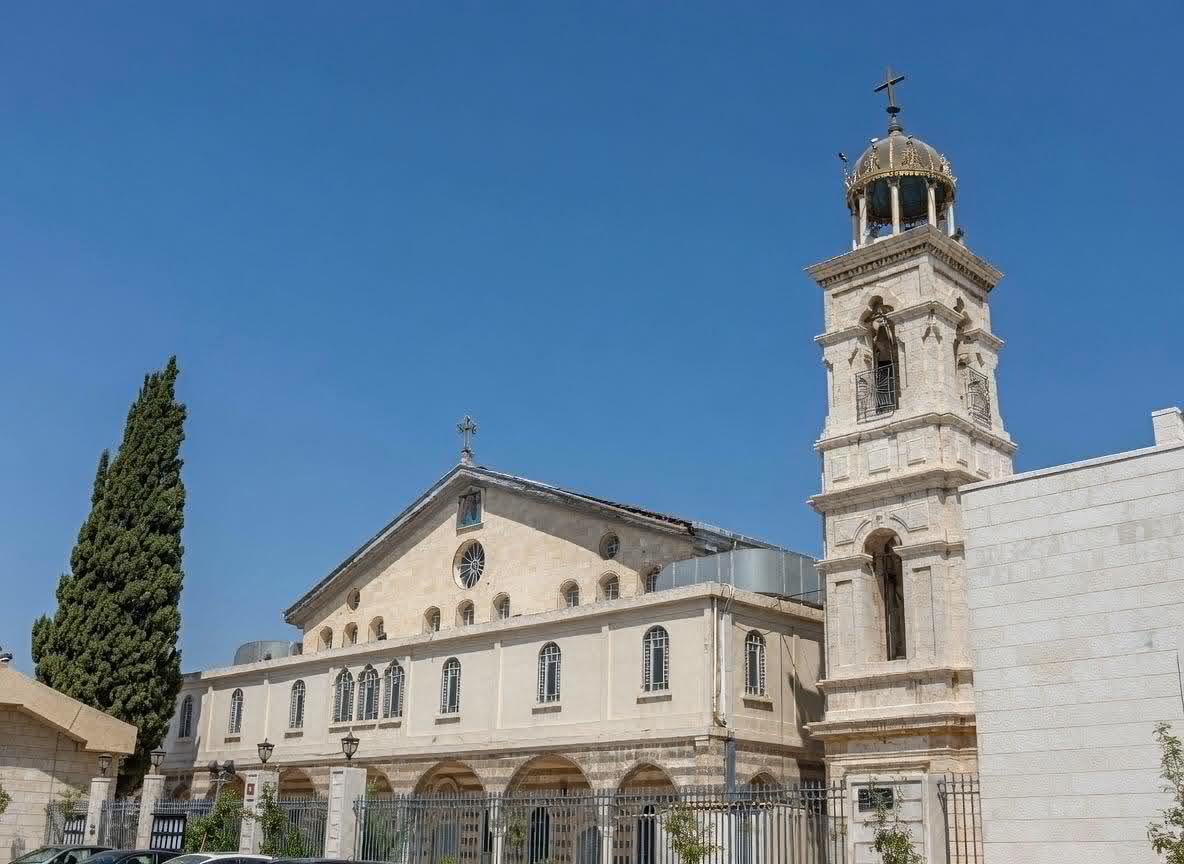
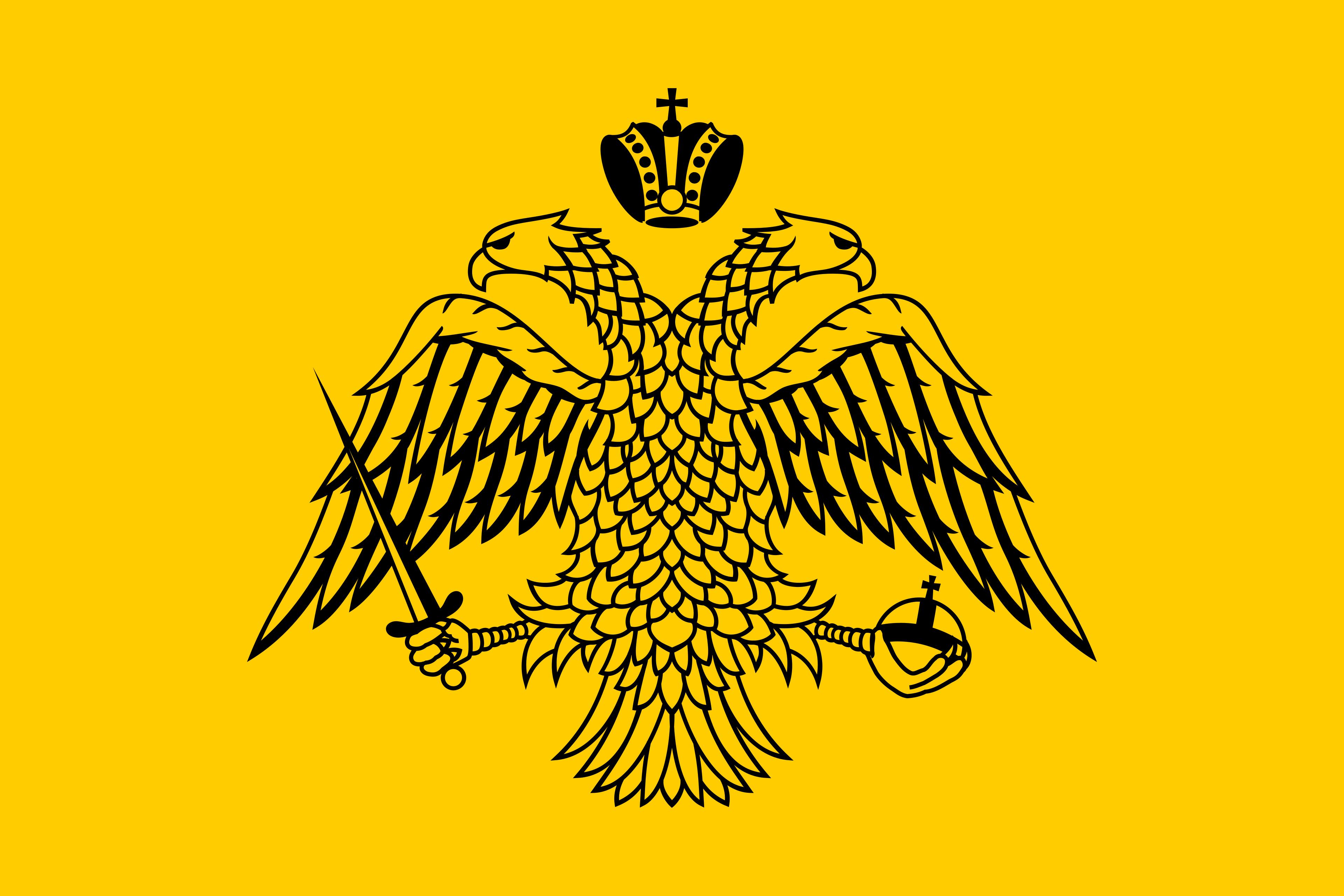
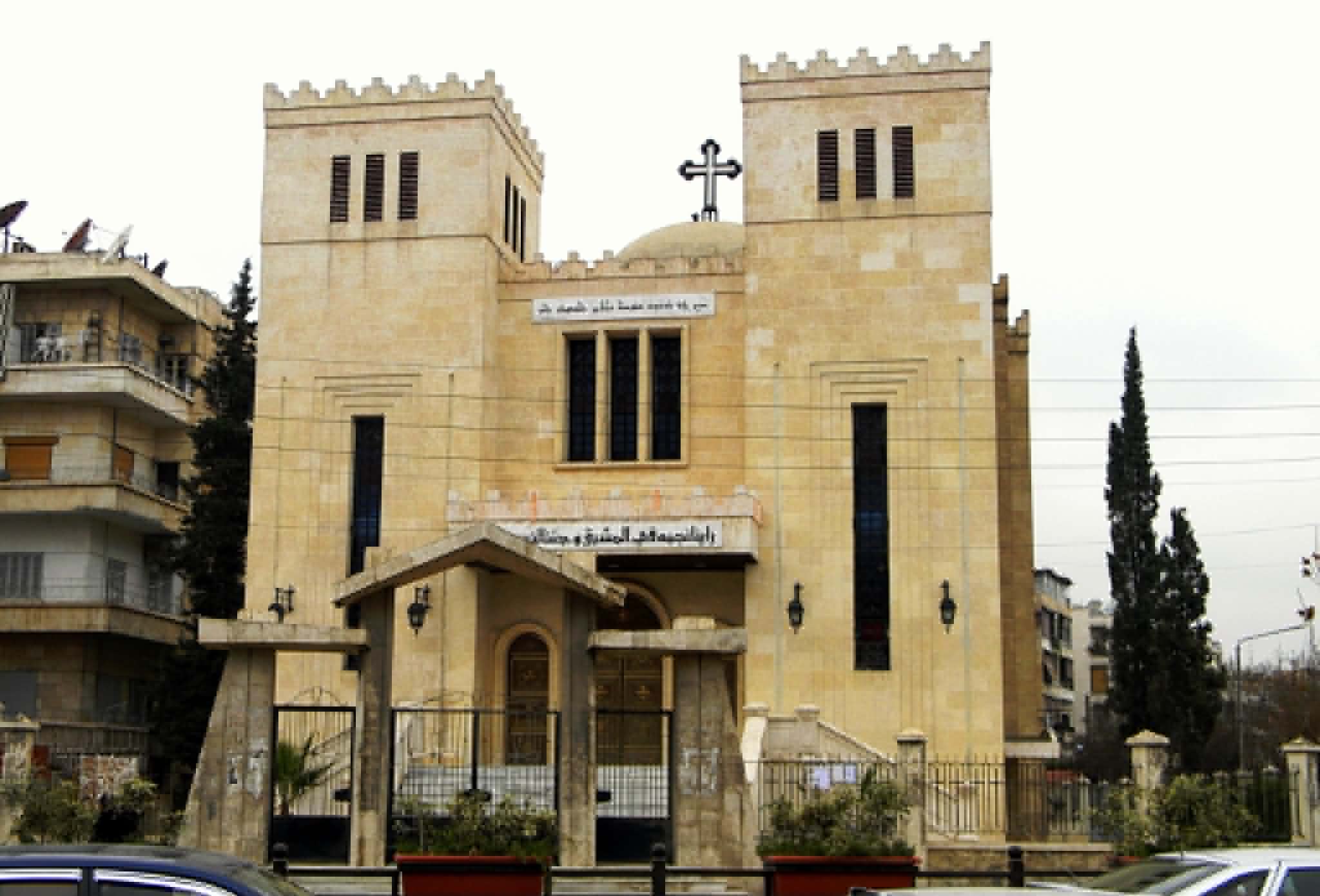
بطريركية أنطاكية وسائر المشرق للروم الأرثوذكس
Rooted in the ancient Antiochian apostolic tradition, the patriarchate is associated in ecclesiastical memory with the Apostle Peter. The church carries a historic Rum Orthodox identity shaped by Eastern Roman Christian heritage and the Byzantine rite. Today, Patriarch John X Yazigi leads it from Damascus, and Arabic serves as its primary liturgical and pastoral language, while it preserves the Byzantine rite and its Greek and Rum heritage in texts, chant, and ecclesiastical tradition.
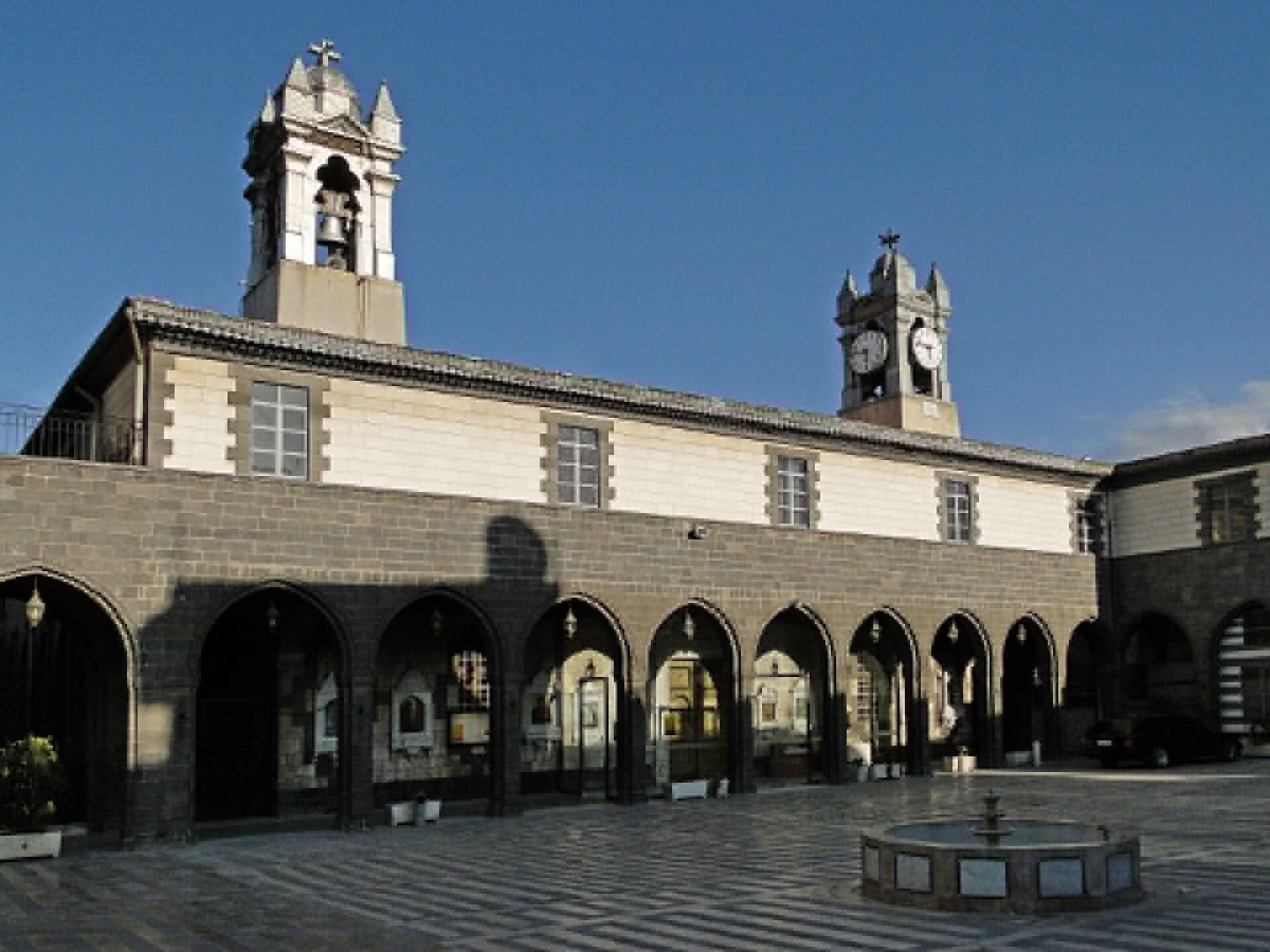
بطريركية الروم الملكيين الكاثوليك
The Melkite Greek Catholic Patriarchate is an Eastern Catholic church in full communion with Rome and shares the Byzantine rite with the Rum Orthodox Church. Its identity is rooted in the historic Rum Byzantine tradition of Antioch and in the Christian history of the East. Throughout its history, it has carried an ecclesial heritage that brings together the Byzantine rite, the Arabic language, and an Eastern Christian presence. Its Patriarch holds the title Patriarch of Antioch and All the Orient, of Alexandria and Jerusalem of the Greek Melkites.
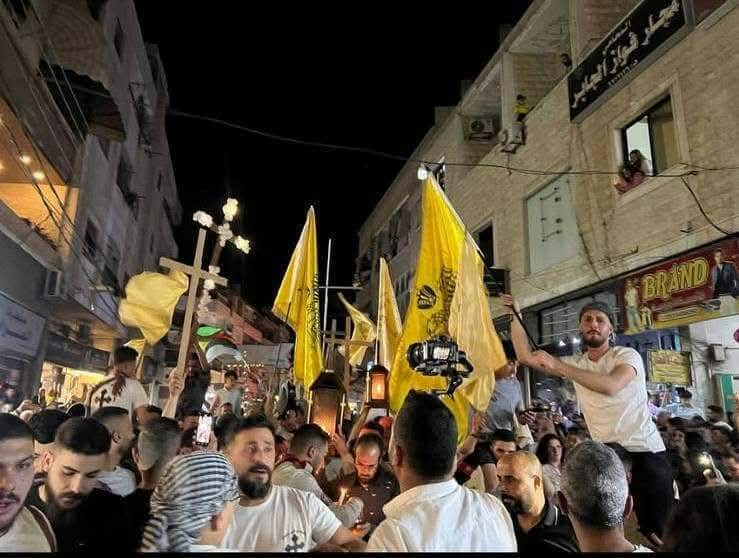
الروم الأنطاكيون
The Antiochian Rum are a historic Christian ethnoreligious people whose roots lie in the northern Levant and the Eastern Mediterranean. They are heirs to the Hellenistic and Eastern Roman, or Byzantine, Christian heritage of the Antiochian tradition. Many Rum today embrace a distinct Antiochian Rum identity and express an interest in reviving Greek as part of their ancestral liturgical and cultural legacy.
Like other Christian communities of the Near East, the Antiochian Rum were also victims of the Ottoman-perpetrated genocides. The Ottoman Greek (Rum) genocide of 1914–1923 devastated Rum communities in Anatolia and Cilicia, including Antiochian Rum communities in southeastern Anatolia.
Today, the Antiochian Rum remain present in Syria, Lebanon, southern Turkey, and diaspora communities in Europe, Australia, and the Americas, as a rooted part of Antiochian Christian memory and the broader Christian presence of the East.
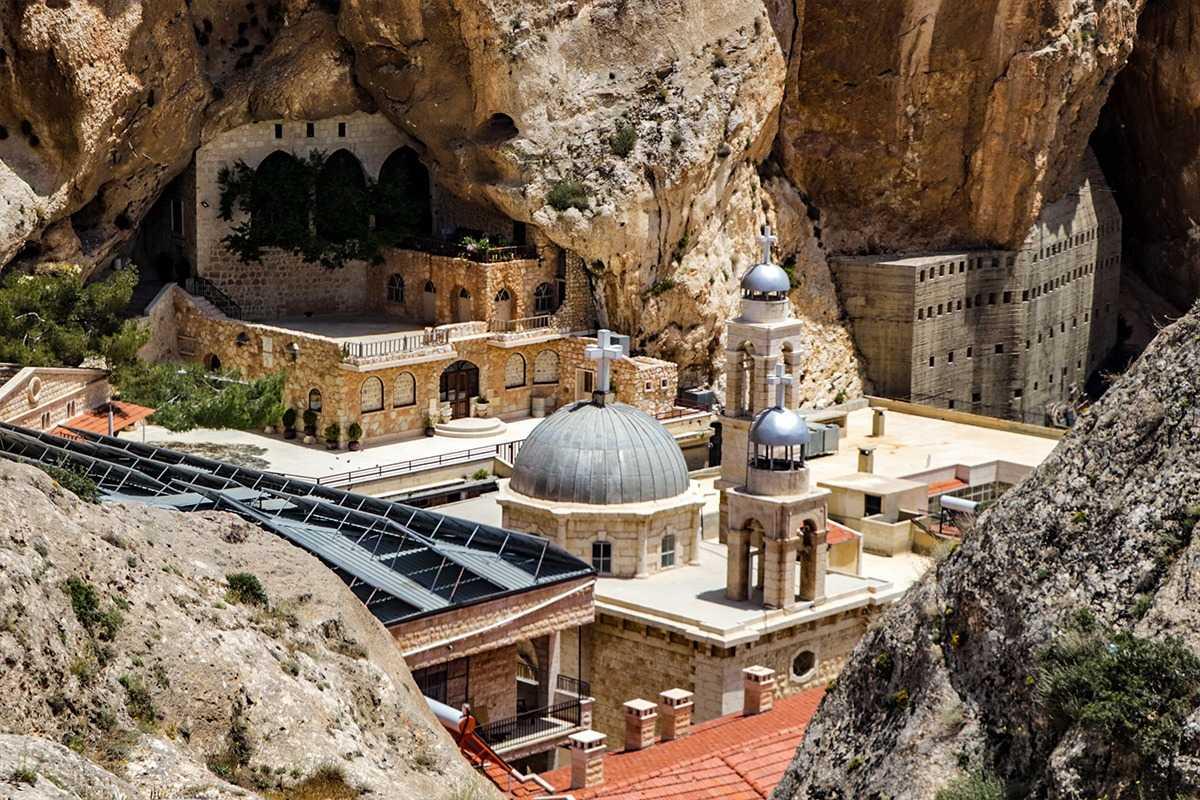
ܛܟܣܐ ܣܘܪܝܝܐ ܡܥܪܒܝܐ · West Syriac Tradition
Rooted in the Apostolic Patriarchate of Antioch, the West Syriac tradition uses the Serto script and the West Syriac liturgical tradition, drawing on Classical Syriac, an Aramaic language closely related to the Aramaic spoken by Christ and the Apostles. It encompasses communities with deep roots in Syria, Turkey, and the East.
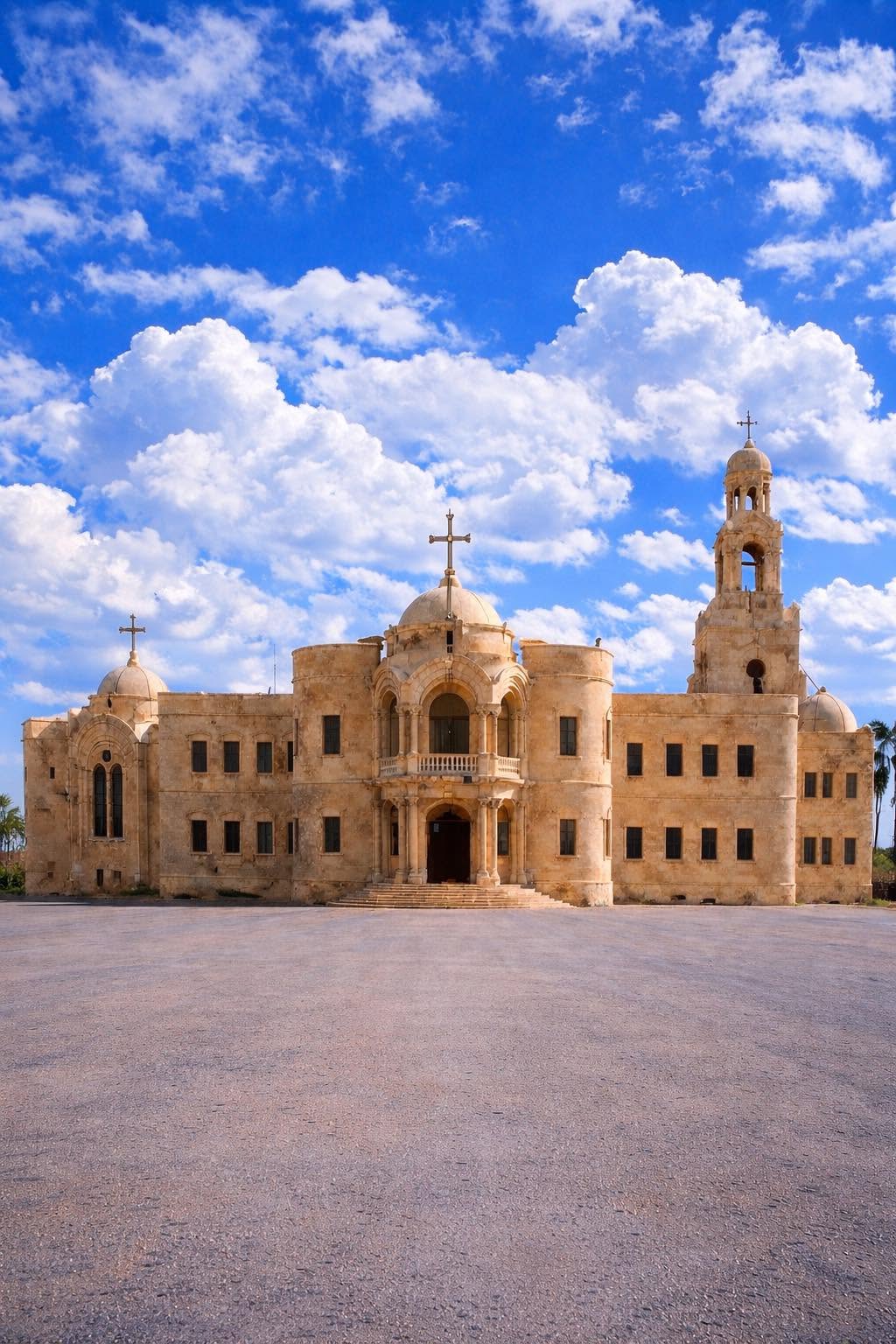
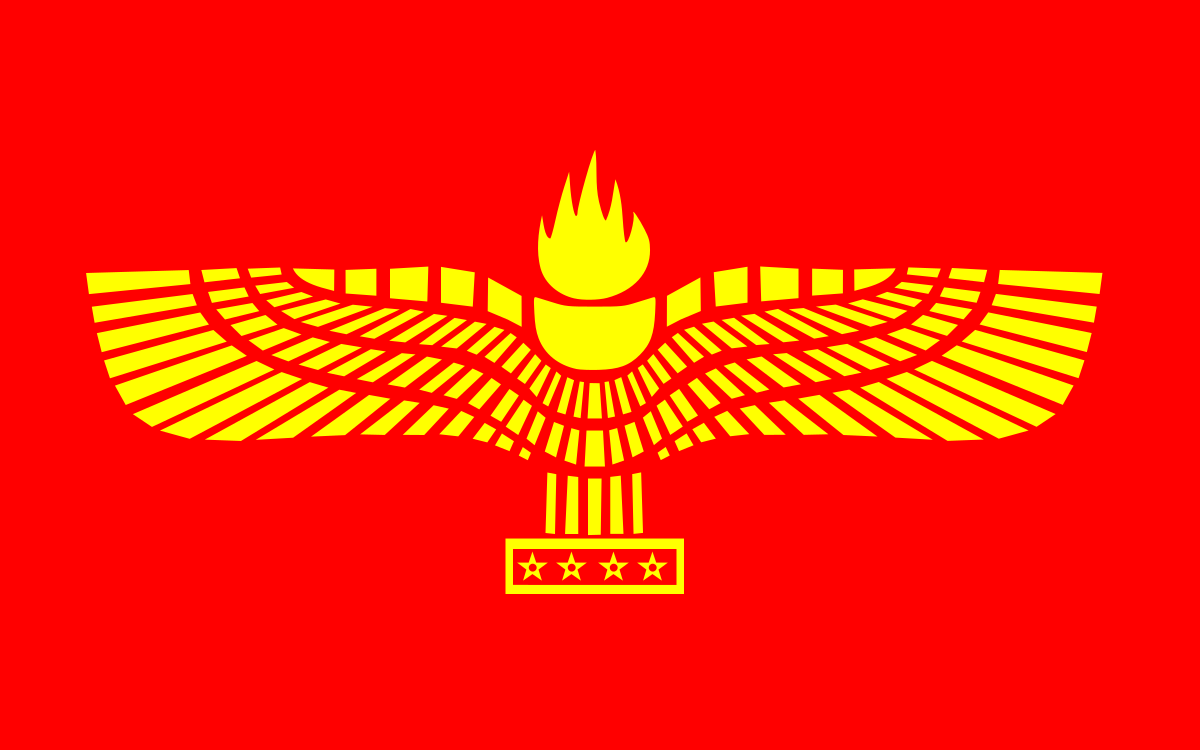
Syriac Orthodox Church · ܥܕܬܐ ܣܘܪܝܝܬܐ ܬܪܝܨܬ ܫܘܒܚܐ
The Syriac Orthodox Church is one of the oldest Christian churches in the world. In its ecclesiastical tradition, its Antiochian patriarchate is linked to the Apostle Peter. It preserves the West Syriac liturgy and Classical Syriac as a liturgical language. Its current Patriarch, Mor Ignatius Aphrem II, is based in Damascus. Syria has historically been one of the principal centers of this church, with major communities in Damascus, Homs, Aleppo, and Al-Jazira.
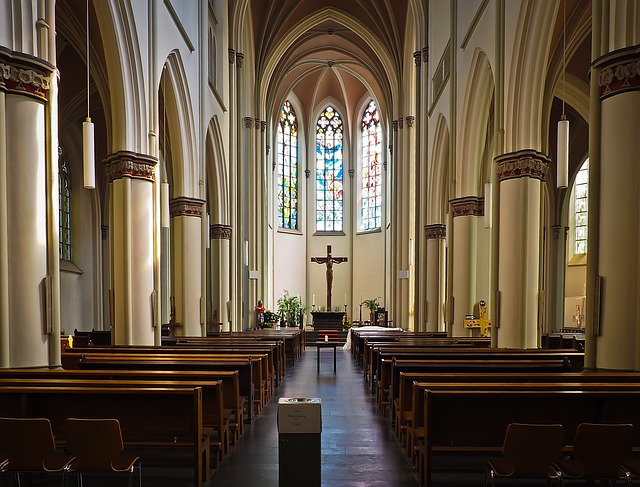
Syriac Catholic Church · ܥܕܬܐ ܣܘܪܝܝܬܐ ܩܬܘܠܝܩܝܬܐ
The Syriac Catholic Church is an Eastern Catholic church in full communion with the Holy See in Rome, while preserving the ancient West Syriac liturgy, theology, and cultural identity. Its Patriarch carries the title Patriarch of Antioch of the Syrians. The church maintains a significant presence in Syria, particularly in Damascus, Aleppo, Homs, and the northeastern Jazira region. It was formally established as a distinct patriarchate in 1662 following union with Rome, and shares deep historical and liturgical roots with the Syriac Orthodox Church.
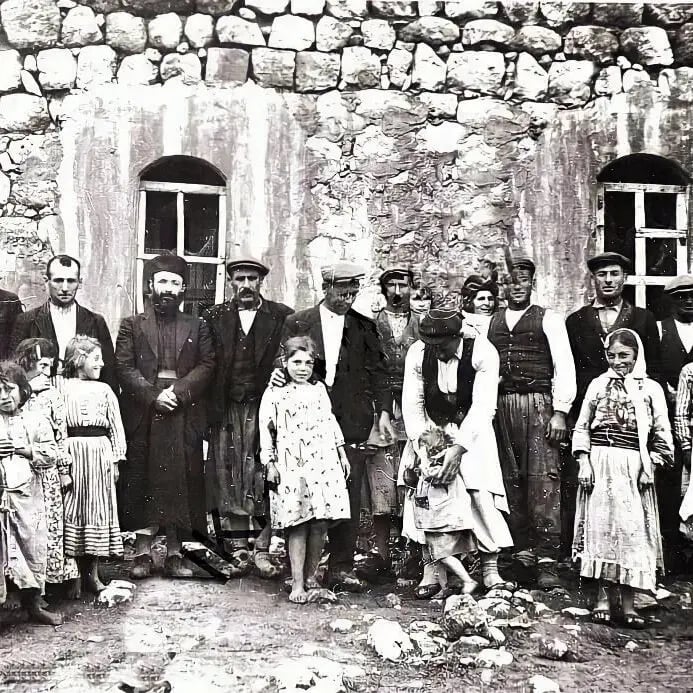
السريان / الآراميون · ܥܡܐ ܐܪܡܝܐ / ܣܘܪܝܝܐ
The Syriac and Aramean peoples are among the ancient historical communities of the Near East. Their heritage is connected to the ancient Arameans of the East, whose name is associated with the Aramaic language, one of the languages of the Old Testament and the language of daily life in the time of Christ. Many Syriac Orthodox and Syriac Catholic Christians embrace Aramean, Syriac, or overlapping identities according to family, ecclesiastical, and linguistic memory, and the Syrian Christian Congress respects all forms of self-identification within the Syrian Christian community. Like other Syriac communities, they were deeply affected by the Sayfo massacres and forced displacements of 1914–1918, which targeted Syriac, Assyrian, and Armenian Christians across the Ottoman East, bringing destruction to many villages and communities, particularly in Tur Abdin and the Syriac heartland.
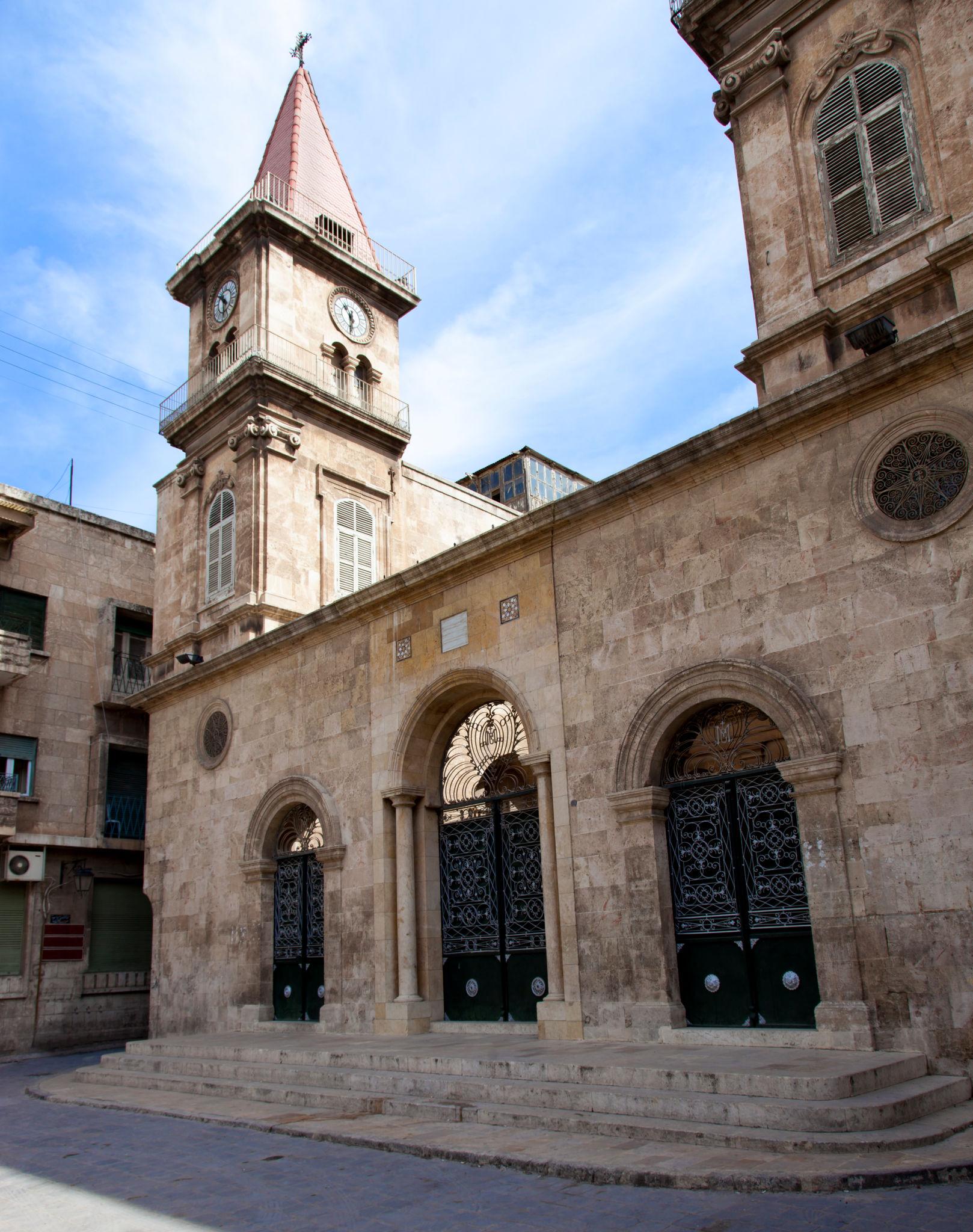
ܛܟܣܐ ܣܘܪܝܝܐ ܡܕܢܚܝܐ · East Syriac Tradition
The East Syriac tradition traces its roots to the earliest Christian communities of Mesopotamia and Persia. According to ecclesiastical tradition, it is linked to the mission of Thomas, Addai, and Mari in the East. It uses Classical Syriac in its East Syriac pronunciation, together with the Madnhaya and Estrangela scripts, and preserves a distinctive theological and liturgical heritage.
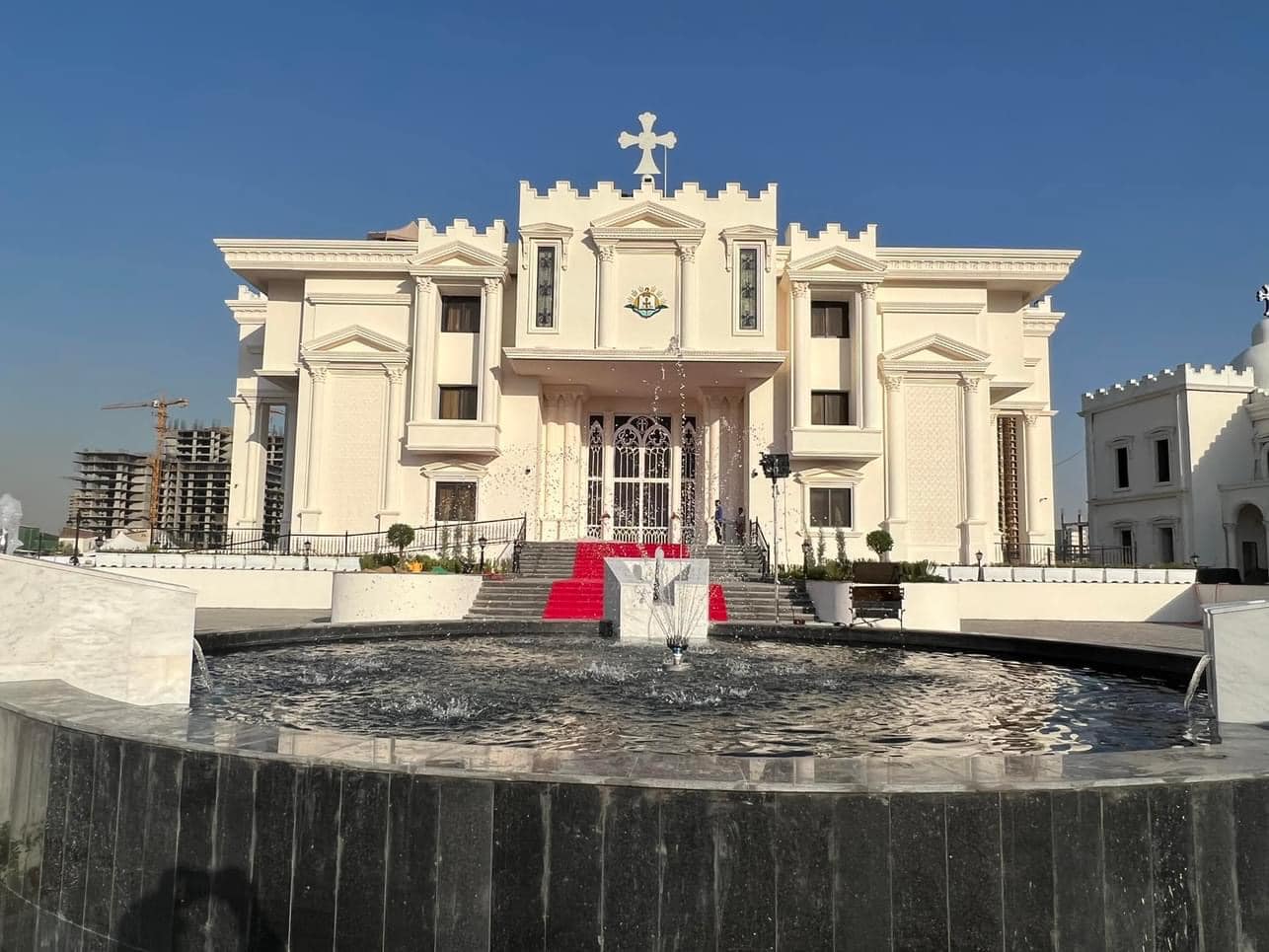
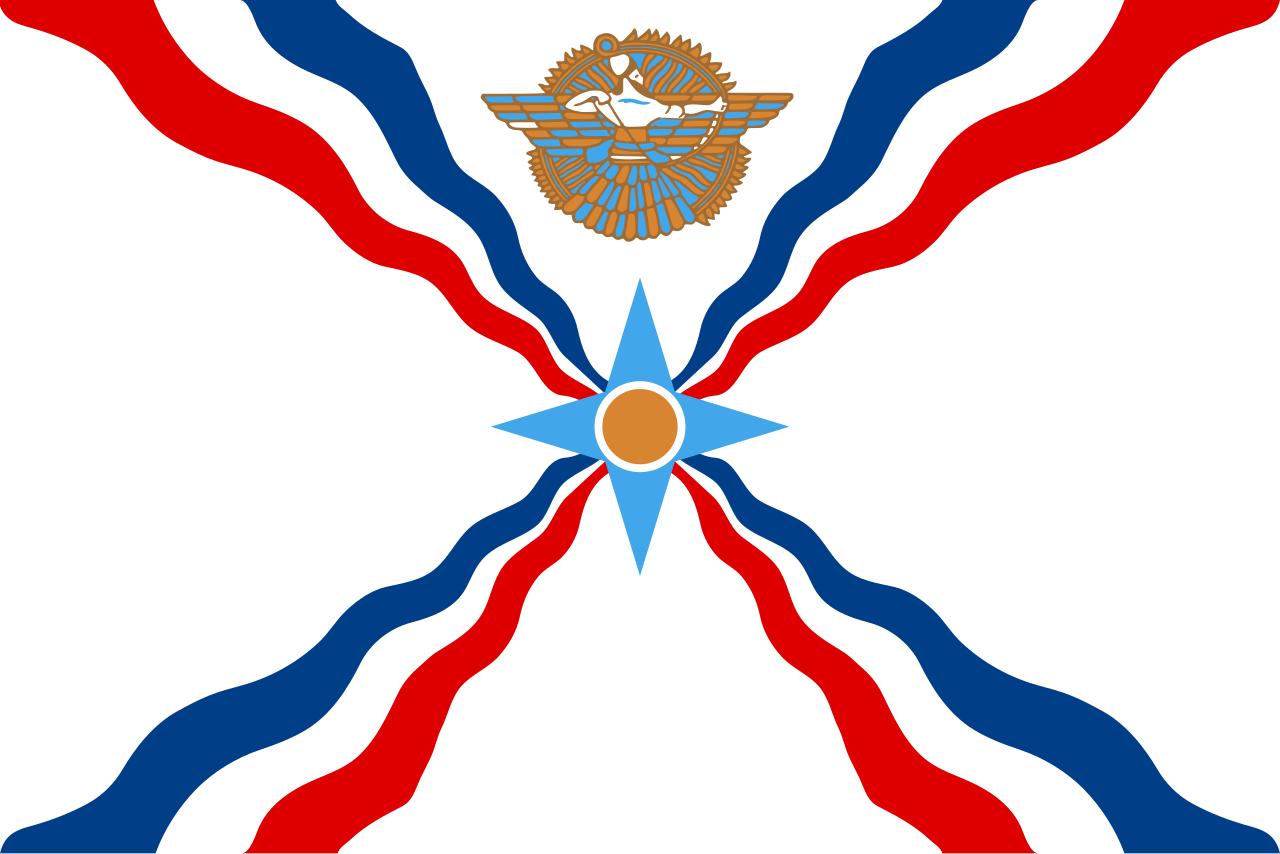
Assyrian Church of the East · ܥܕܬܐ ܕܡܕܢܚܐ ܕܐܬܘܪ̈ܝܐ
The Assyrian Church of the East is one of the oldest Christian churches in the world. It links its apostolic tradition to the mission of Thomas, Addai, and Mari in Mesopotamia. It uses the Liturgy of Addai and Mari, among the oldest eucharistic rites in continuous use in the Christian world. The church is closely tied to Assyrian historical and cultural identity. Since the synodal decisions of 2021, its Catholicos-Patriarch has been based in Ankawa / Erbil, Iraq.
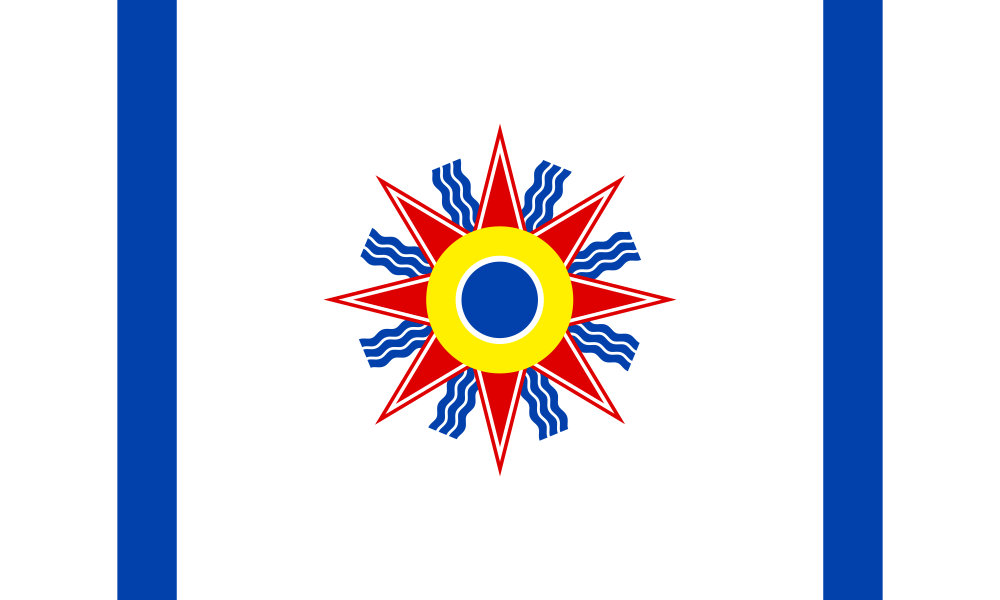
Chaldean Catholic Church · ܥܕܬܐ ܟܠܕܝܬܐ ܩܬܘܠܝܩܝܬܐ
The Chaldean Catholic Church is an Eastern Catholic church in full communion with Rome and preserves the East Syriac liturgy. It is one of the principal Eastern Catholic churches with Mesopotamian roots, and the see of its Patriarch is in Baghdad. Chaldean communities are historically centered in Iraq, with a notable presence in northeastern Syria, Damascus, and Aleppo.
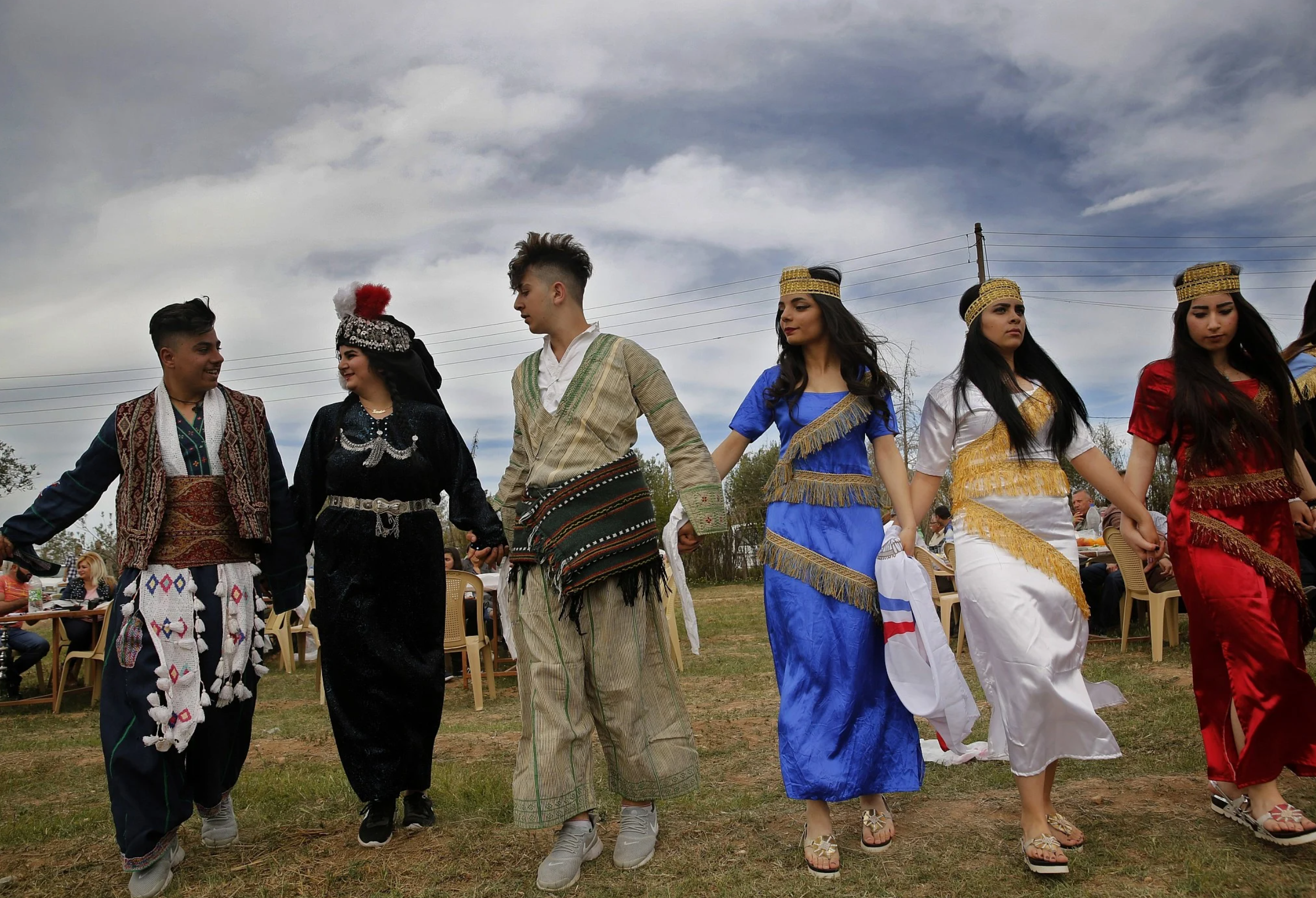
مجتمعات التقليد السرياني الشرقي · ܥܡܐ ܐܬܘܪܝܐ
The Christian communities of the East Syriac tradition belong to an ancient ecclesial and cultural tradition that emerged in Mesopotamia and extended across Syria, Iraq, Turkey, and Iran. Today, they include the Assyrian Church of the East and the Chaldean Catholic Church, with multiple historical and cultural identities, especially Assyrian and Chaldean. These communities share the East Syriac heritage, Mesopotamian memory, and the Syriac language in its modern varieties. They suffered during the Sayfo massacres and forced displacements of 1914–1918 and through later waves of displacement, and they continue to have a presence today in Al-Jazira, the Khabur River valley, the wider East, and the diaspora.
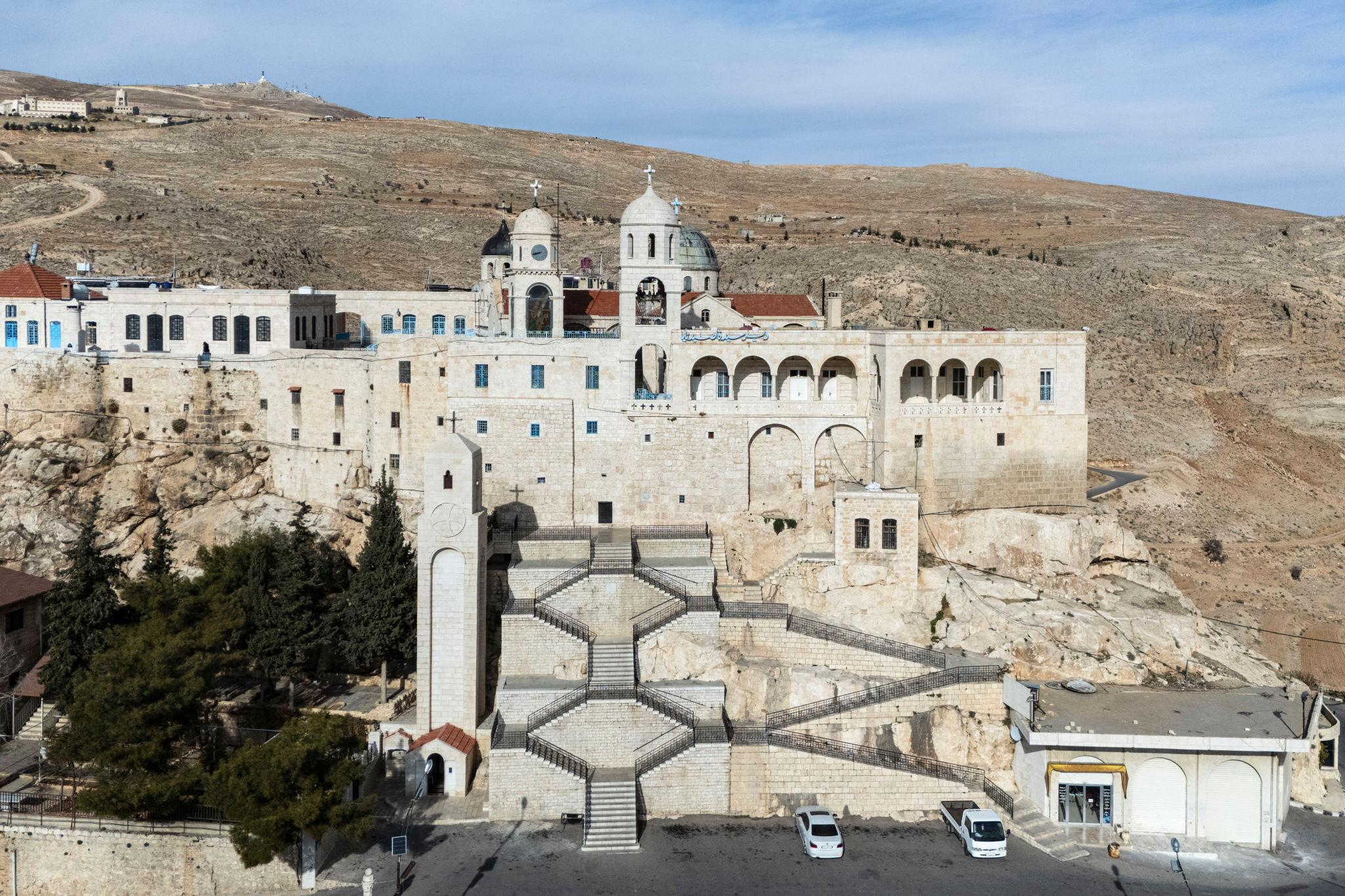
التقليد الماروني / السرياني
The Maronite Church is an Eastern Catholic church of Syriac Antiochian heritage. Its beginnings are associated with Saint Maron and the Monastery of Saint Maron in the Orontes region. Its historical identity later developed strongly in the mountains of Lebanon, while it continues to preserve the Maronite Syriac Antiochian rite with Arabic widely used today.
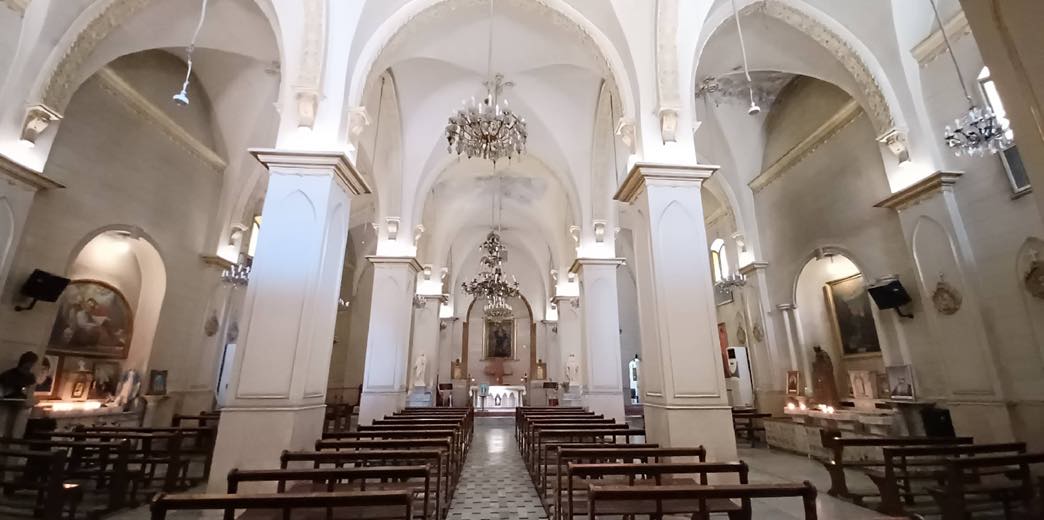
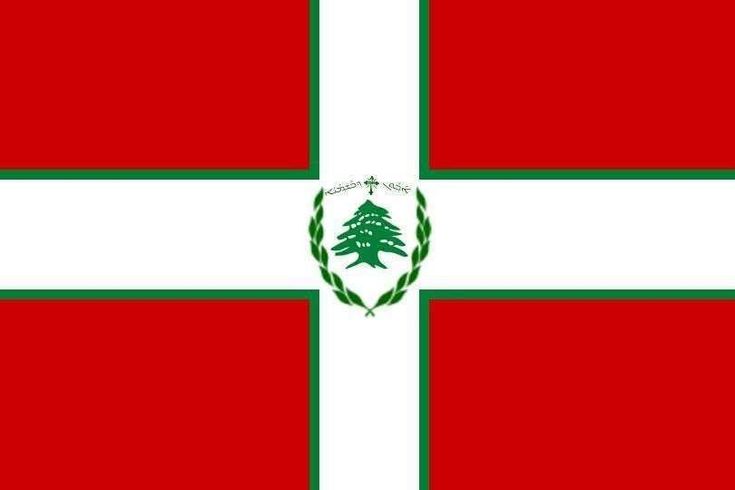
الكنيسة المارونية الكاثوليكية
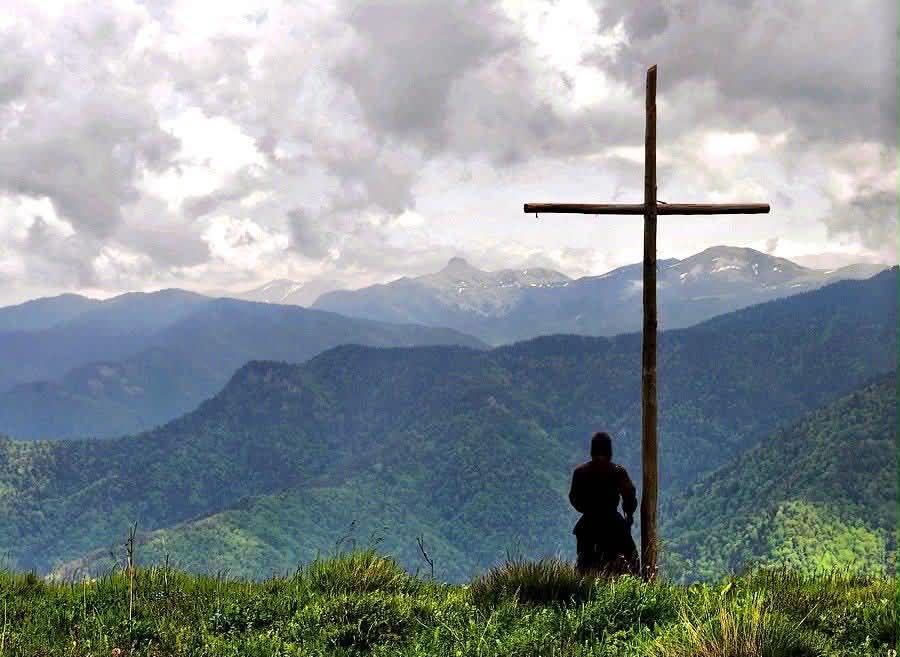
The Maronite Catholic Church is an Eastern Catholic church of Syriac Antiochian heritage. Its roots go back to Saint Maron, a Syriac ascetic of the late fourth and early fifth centuries, and to the Monastery of Saint Maron in the Orontes region. Its historical identity later developed strongly in the mountains of Lebanon. The church preserves the Maronite Syriac Antiochian rite, with Arabic widely used today. Its Patriarch, the Patriarch of Antioch and All the East of the Maronites, resides in Bkerké, Lebanon.
الموارنة
The Maronites are a Christian community of Syriac Antiochian roots, associated in its beginnings with Saint Maron and the Monastery of Saint Maron in the Orontes region. Their historical identity later developed strongly in the mountains of Lebanon. Across the centuries, they preserved a Maronite Syriac Antiochian rite and a distinct ecclesiastical memory within Catholic communion. Maronites have had a historical presence in Syria, especially in parts of western Syria, alongside their broader presence in Lebanon and the diaspora.
Հայ Ավանդույթ · Armenian Tradition
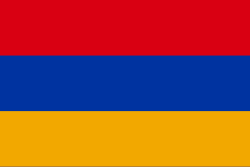
The Armenian community has maintained a continuous presence in Syria across many centuries. Aleppo was among the most important centers of Armenian culture and Christianity outside Armenia, especially after the Armenian Genocide of 1915 and the subsequent refuge and settlement of Armenians in the cities of the East.
Armenian Apostolic Church ·Հայ Առաքելական Եկեղեցի
The Armenian Apostolic Church is one of the world's oldest historic national churches and traces its apostolic tradition to the Apostles Thaddaeus and Bartholomew. In 301 AD, Armenia became the first state to adopt Christianity as the religion of the state. The church uses Classical Armenian, Grabar, as its liturgical language. The Armenian communities of Syria have historically been connected to the Catholicosate of the Great House of Cilicia, based in Antelias, Lebanon.
Armenian Catholic Church ·Հայ Կաթողիկե Եկեղեցի
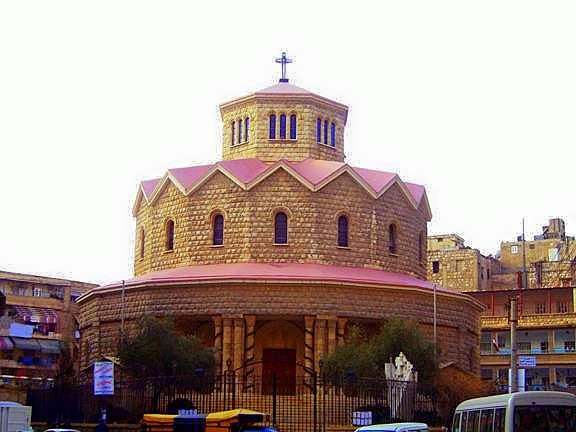
The Armenian Catholic Church is an Eastern Catholic church in full communion with Rome and preserves the Armenian liturgical and linguistic tradition. A distinct Armenian Catholic hierarchy was established in 1742. Its Patriarch is based in Beirut, and the church has communities in Syria, Lebanon, Turkey, and the diaspora.
Armenian Evangelical Churches ·Հայ Աւետարանական Եկեղեցիներ
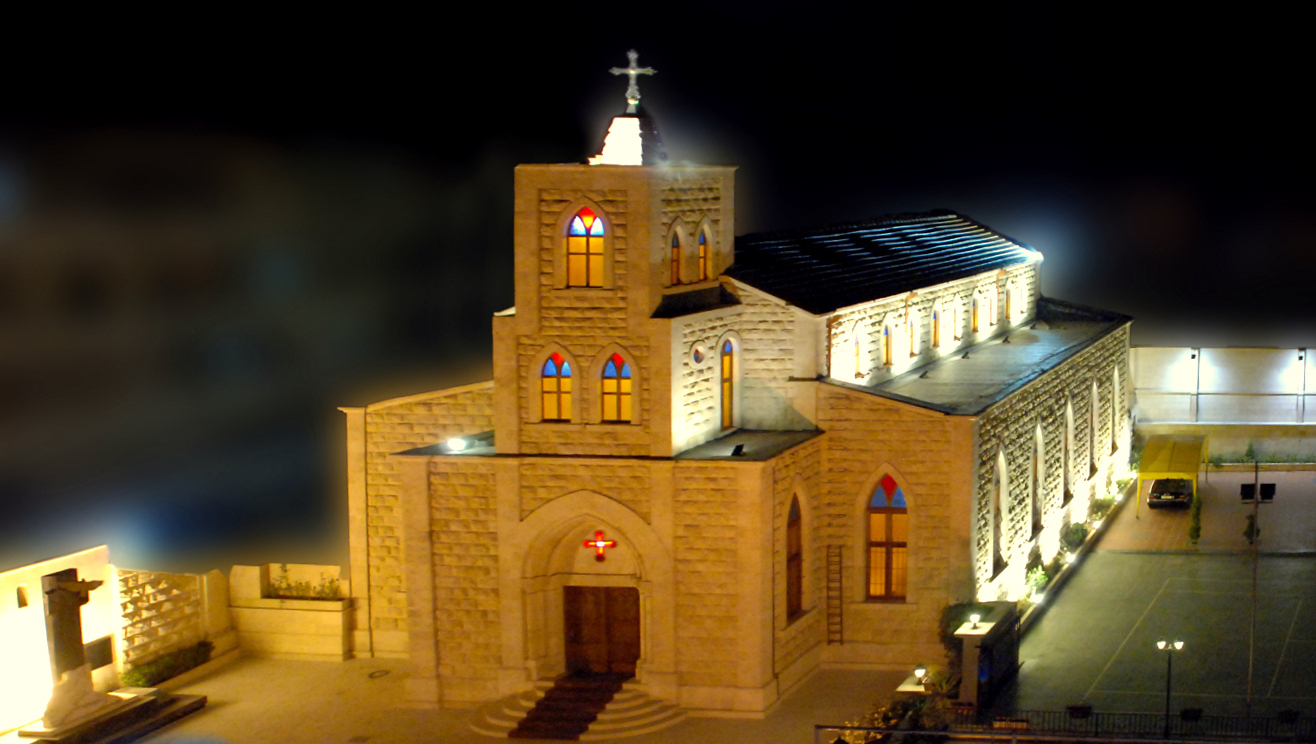
Armenian Evangelical churches emerged in the nineteenth century in the context of a Protestant reform movement within Armenian society and through the influence of Protestant missionaries. They are Evangelical churches that preserve a clear Armenian cultural and linguistic identity while belonging to the Protestant Reformed tradition. Their communities are found in Syria, especially in Aleppo and Damascus, and are connected to the Union of Armenian Evangelical Churches in the Near East, based in Beirut.
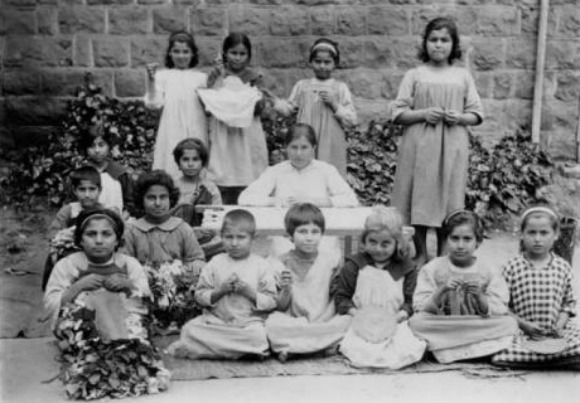
الأرمن السوريون · Հայ Սիրիացիներ
Syrian Armenians are part of the Armenian people and of the historic Christian presence in Syria. Aleppo, Damascus, and Al-Jazira were among their most important centers in the East, especially after the Armenian Genocide of 1915 and the subsequent refuge and settlement of Armenians in Syria. Syrian Armenians preserve their cultural, linguistic, and ecclesiastical identity through the Armenian Apostolic Church, the Armenian Catholic Church, and the Armenian Evangelical churches, while remaining deeply integrated into modern Syrian life.
Protestant and Evangelical Communities
Protestant Christianity arrived in Syria primarily through nineteenth-century missionary activity and gradually developed local leadership and a distinct Syrian character in worship, education, and social service.
The National Evangelical Synod of Syria and Lebanon is one of the principal Protestant bodies in Syria and Lebanon. Its roots go back to the evangelical revival in the Arabic-speaking East in the nineteenth century. It follows the Reformed tradition and Presbyterian polity, serves Arabic-speaking congregations, and has a presence in churches, schools, and social institutions.
Baptist communities in Syria are rooted in modern Protestant Evangelical activity in the East and developed into local autonomous congregations with Syrian leadership and Arabic-language worship.
Anglican communities in Syria belong to the Diocese of Jerusalem within the Episcopal Church in Jerusalem and the Middle East. Their historical presence is connected to nineteenth-century British missionary activity and to the worldwide Anglican tradition.
Presbyterian communities in Syria belong to the Reformed tradition and Presbyterian polity. Many are connected to the National Evangelical Synod of Syria and Lebanon or to independent local congregations. They have contributed to education, social service, and Arabic-speaking church life.
Syria includes Pentecostal and charismatic communities that emphasize personal spiritual experience, prayer, healing, evangelism, Arabic-language worship, and local community ministry.
A variety of independent Evangelical churches operate in several Syrian cities through local and regional networks. They emphasize teaching, social outreach, local leadership, and Arabic-language worship.
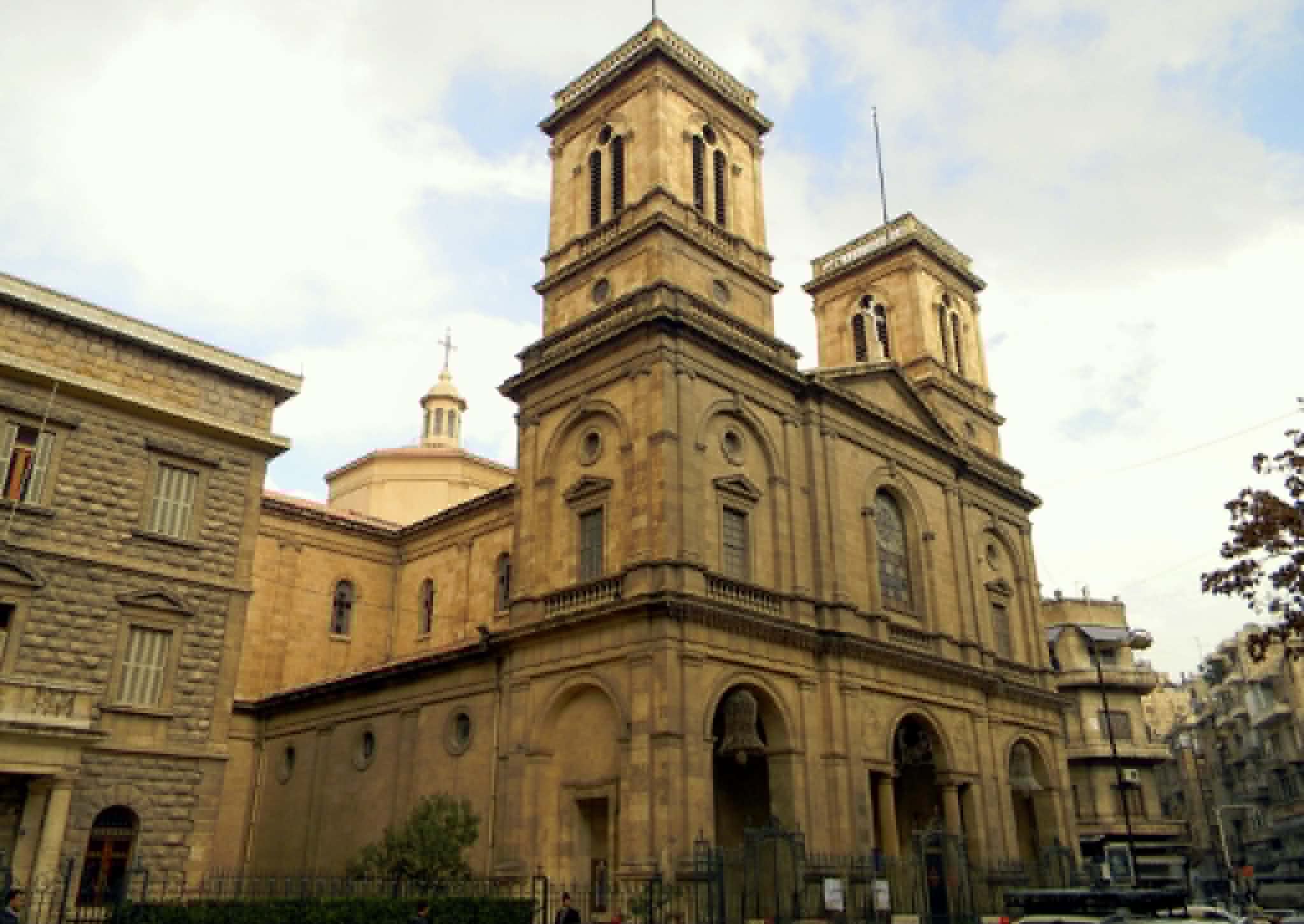
Latin Catholics in Syria belong to the Latin Church within the Catholic Church and follow the Roman rite. Their official ecclesiastical presence is represented by the Apostolic Vicariate of Aleppo of the Latins, which extends its pastoral care to Latin-rite Catholic faithful in Syria. Historically, this presence has been connected to Catholic religious orders, missions, schools, and service institutions, while remaining part of the broader Christian life of Syria.
النيابة الرسولية في حلب للاتين
The Apostolic Vicariate of Aleppo of the Latins is the Latin ecclesiastical jurisdiction in Syria. It is immediately subject to the Holy See and provides pastoral care for Latin-rite Catholic faithful in the country. It is currently headed by Bishop Hanna Jallouf, OFM, the Apostolic Vicar of Aleppo of the Latins. The Church of Saint Francis of Assisi in Aleppo is among its principal ecclesiastical centers, with a pastoral and service presence historically connected to the Franciscan Order and the Latin Church in the East.
The Syrian Christian Congress does not privilege one denomination, liturgical tradition, or historical and cultural identity over another. It seeks to foster a shared civic commitment to Syria's future among these communities, ancient and modern, Eastern and Western, Orthodox, Catholic, and Protestant. Our diversity is our richness, and our unity is our strength.